A few hundred meters from the village of Glidji, where the lagoon disappears behind a curtain of dense greenery, another world begins. The sacred forest of Be-Glidji is not like other forests. It is at once a sanctuary, a cemetery, an initiation school and an ecological reserve protected by the oldest laws of the Guinean coast: those of the ancestors.
Here, trees have names and functions. Each centuries-old silk-cotton tree shelters a spirit. Each clearing is the theater of ceremonies that only initiates may approach. The ground is covered with leaves that no one sweeps, for they belong to the divinities. The silence here is of a particular quality: it is not empty, but inhabited.
A vegetal cathedral at the heart of Guin country
The Be-Glidji forest extends over several hectares between the lagoon and the first houses of the village. Its ecosystem is remarkably preserved, despite demographic pressure and deforestation attempts that have affected other coastal regions of Togo. This resilience is no accident: it results from a system of customary protection that formally forbids cutting any tree within the sacred enclosure without authorization from the keepers of tradition.
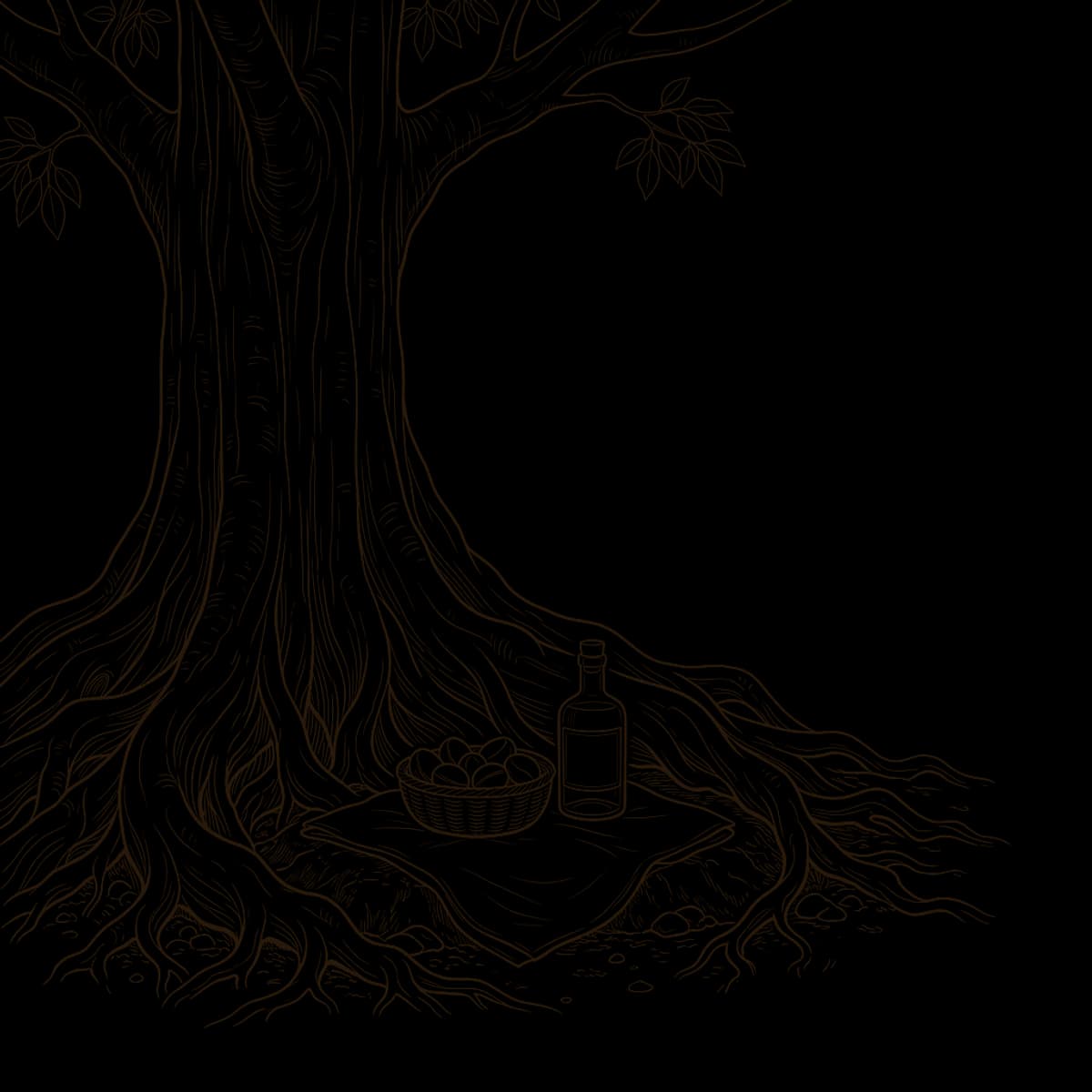
Botanists who have had the privilege of entering have recorded rare plant species, some used for centuries by the Hunon priests for their medicinal properties. The silk-cotton tree (Ceiba pentandra), the king-tree of the forest, can reach 60 meters in height. Its massive trunk, supported by imposing buttresses, is considered the seat of the most powerful spirits. At its feet, priests deposit offerings and receive messages from the invisible.
The clearings of initiation
The forest is structured around several sacred clearings, each dedicated to a specific ritual function. The most important is the initiation clearing, where young Guin are led for their passage to adulthood. The ritual, which lasts several weeks, includes teachings on the history of the people, customary laws, knowledge of plants and communication with the ancestors.
What exactly happens in these clearings remains protected by initiatory secrecy. The rare testimonies that filter through evoke nights spent listening to the elders, tests of courage and patience, and a profound transformation in one's relationship to the world. The young people who emerge are no longer the same: they have learned that the forest is not a backdrop, but a living being with which one must learn to speak.
A heritage threatened by coastal erosion
The sacred forest of Be-Glidji faces a threat that has nothing supernatural about it: coastal erosion eating away at the Togolese coastline at an alarming rate. Rising waters and soil salinization endanger the ecological balance of the forest. Some centuries-old silk-cotton trees show signs of water stress. The keepers of tradition, aware of the danger, now collaborate with environmental NGOs to document the site's biodiversity and develop preservation strategies.
A UNESCO World Heritage nomination dossier is being prepared, led by the Lacs 1 municipality and supported by researchers from the University of Lomé. World Heritage inscription would bring international recognition and resources for site protection, but it also raises delicate questions: how to reconcile institutional protection with the sacred and secret nature of the place?
Visiting the sacred forest: what you need to know
Access to the Be-Glidji forest is strictly regulated. No visitor may enter without being accompanied by a guide approved by the traditional authorities. On ceremony days, access is reserved for initiates. On other days, a respectful visit is possible, provided the prohibitions are respected: take nothing, do not photograph shrines without permission, speak in a low voice, wear covering clothing.
The best time to visit is the dry season, from November to March, when the paths are passable and the light filtered through the canopy creates an unreal atmosphere. Visits are generally made in the morning, when the heat is still bearable and birds are most active. Allow two hours for a minimal immersion, half a day for a deeper experience.
For travelers wishing to go beyond a simple botanical walk, it is possible to request from the keepers an introduction to the spiritual significance of the place. This approach requires time, patience and genuine openness: the forest does not surrender to those who consume it as an attraction.
The forest that whispers
There is in the Be-Glidji forest a presence that defies description. The Guin call it vodu, that word the West has distorted by loading it with fantasies. It is neither a god, nor a demon, nor an abstract energy. It is the breath that connects the living to the ancestors, the sap that circulates between worlds. In the sacred forest, this breath is palpable. One need only fall silent to feel it.